
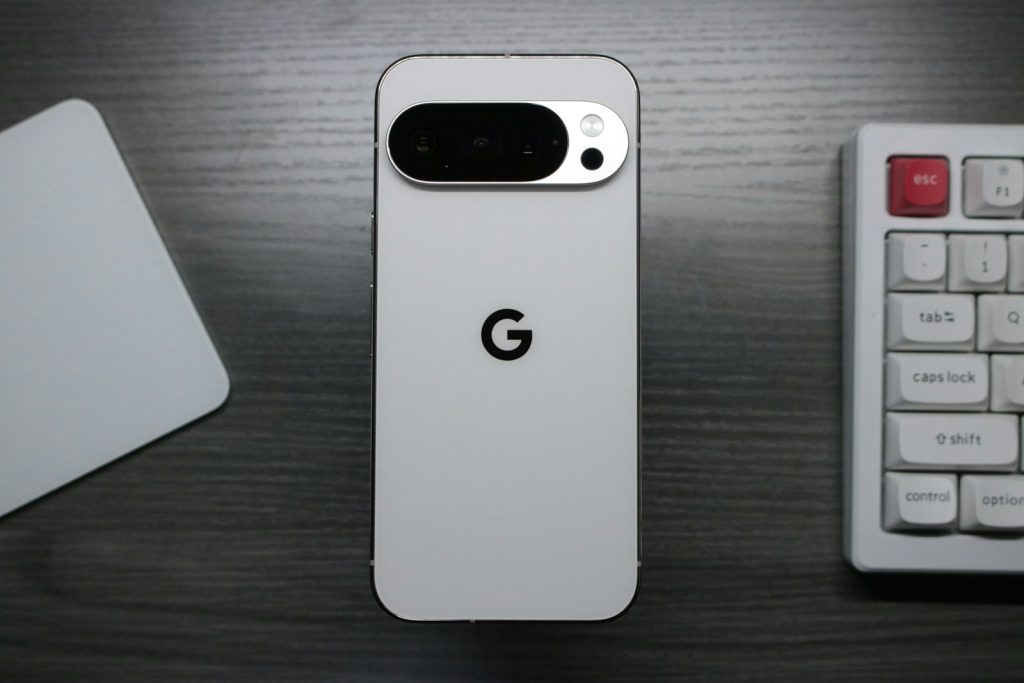
Google’s new phones reached shops on Thursday, August 20, a week after they were unveiled at the company’s Made by Google event on August 12. The Pixel 11 range keeps last year’s look but changes almost everything inside, led by the first Tensor processor built on a 2-nanometre manufacturing process.
The line-up and prices
- Pixel 11: $899 with 12GB of memory and 256GB of storage. There is no longer a 128GB version.
- Pixel 11 Pro: $1,099 (12GB/256GB).
- Pixel 11 Pro XL: $1,299, $100 more than last year, with a 6.8-inch screen.
- Pixel 11 Pro Fold: the foldable joins the range and is available to pre-order.
The 16GB memory option is limited to the 512GB and 1TB Pro models, a decision some early reviewers questioned on phones that lean so heavily on on-device AI.
Cameras and battery
The standard Pixel 11 has a 48MP main camera, a 13MP ultra-wide and a 10.8MP 5x telephoto. The Pro models pair a 50MP main sensor with a 48MP telephoto and zoom up to 120x digitally. Google says Night Sight now captures 4.5 times faster. Battery sizes range from 4,850mAh on the Pro to 5,115mAh on the Pro XL, and Google claims more than 30 hours of use.
The AI pitch
The phones ship with Android 17 and a set of Gemini-based features:
- Rambler turns casual, rambling speech into clean written text.
- App Bubbles lets you keep up to five apps floating on screen.
- Circle to Search now works inside the camera app.
- Magic Capture and Camera Looks help frame shots and apply styles.
Google is promising seven years of operating-system and security updates, which matters more than any single feature for people who keep phones for a long time.
Should you upgrade?
Owners of a Pixel 9 or 10 will notice the faster chip and better low-light photos, but the design and screens are similar to last year’s. For people coming from older Pixels or mid-range Android phones, the long update promise and the base model’s unchanged $899 price make the Pixel 11 the more compelling buy than the larger, pricier Pro XL.