
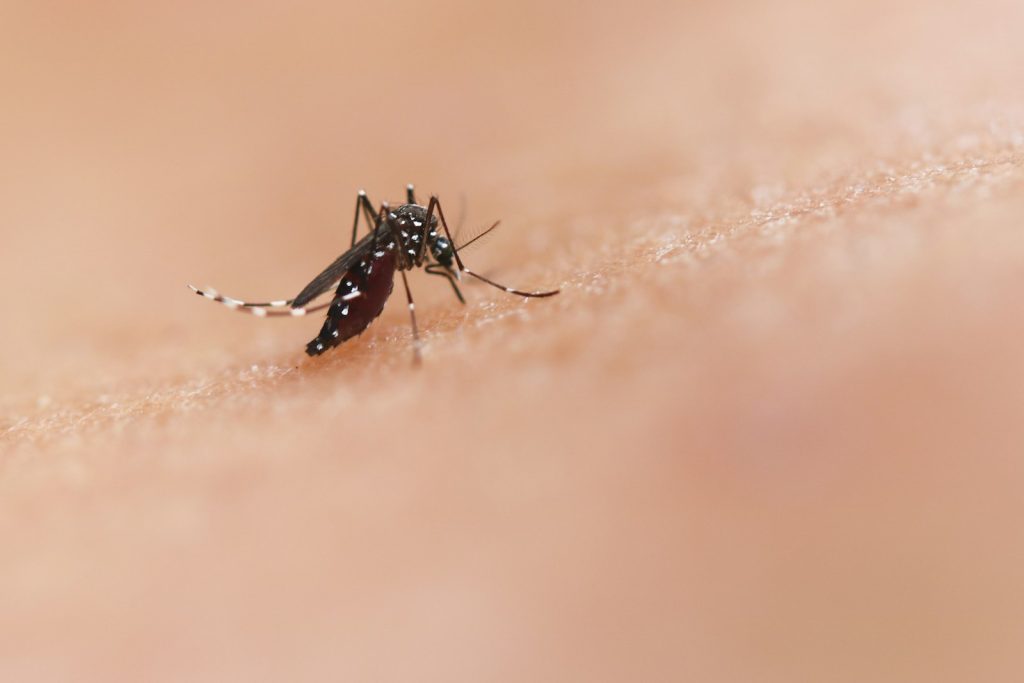
Bangladesh’s dengue outbreak is accelerating. Nine people died of the mosquito-borne disease in the 24 hours to Tuesday, September 8, the highest single-day toll of the year, according to the Directorate General of Health Services. Another 1,571 patients were admitted to hospital over the same period, also a 2026 high.
The latest figures
- Deaths this year: 130 since January 1.
- Hospital admissions this year: 45,475.
- Recovered and discharged: 42,127.
- Where the latest deaths occurred: Dhaka South City Corporation, Dhaka, Khulna, Barishal and Mymensingh divisions.
Cases have been reported in all 64 districts, although the capital still carries the largest share. August was the worst month of the year so far, and entomologists expect September to be worse.
Why the worst may still be ahead
Professor Kabirul Bashar of Jahangirnagar University, who tracks Aedes mosquito populations, has warned that hospitalisations could exceed 30,000 this month if current trends hold, with transmission continuing into October. “The peak has not been reached yet,” he told AAP. Intermittent rain and standing water in construction sites, roofs and discarded containers give mosquitoes ideal breeding conditions.
The government has ordered nationwide clean-up and awareness campaigns to remove stagnant water.
Warning signs to watch for
Dengue can become dangerous just as the fever starts to fall, when blood vessels may leak and blood pressure can drop. Seek medical care immediately if you or a family member has:
- severe abdominal pain or persistent vomiting;
- bleeding from the gums or nose, or blood in vomit or stool;
- dizziness, extreme tiredness, restlessness or unusual sleepiness;
- cold, clammy skin or difficulty breathing.
How to protect your household
- Empty, cover or throw away anything that holds water, including flower-pot trays, buckets, tyres and AC drip trays, at least once a week.
- Use mosquito repellent and long sleeves, especially in the early morning and late afternoon, when Aedes mosquitoes bite most.
- Sleep under a net and use window screens where possible.
- Avoid painkillers such as aspirin and ibuprofen if dengue is suspected; paracetamol is preferred, but follow a doctor’s advice.
Most people recover with rest and fluids, but early care saves lives in severe cases.