
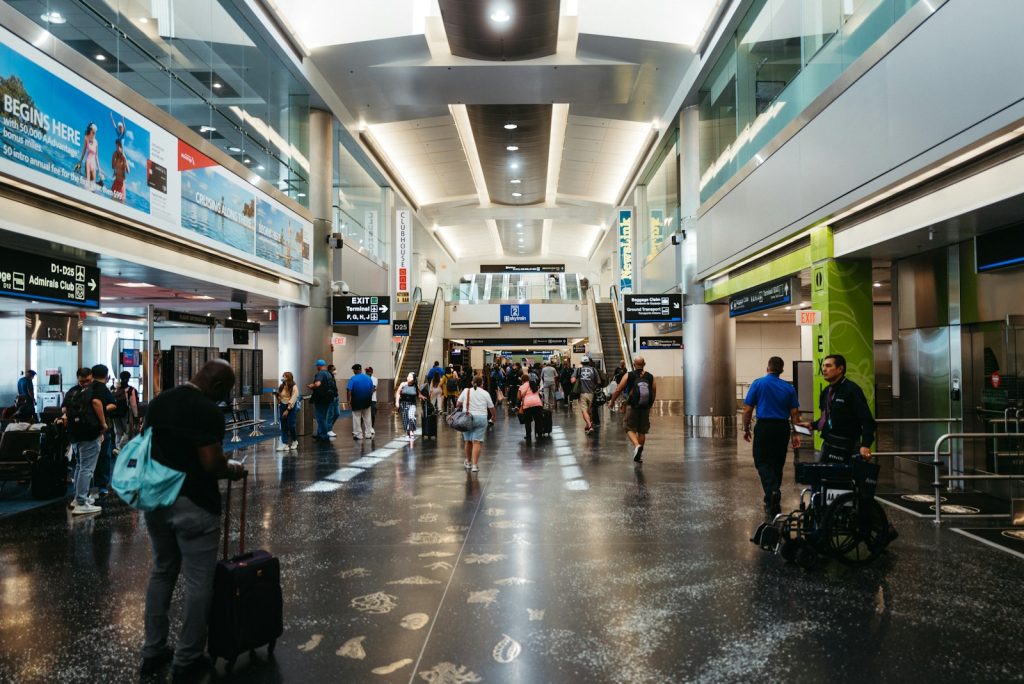
The post-pandemic travel boom has hit a wall. About 690 million international tourists travelled between January and June 2026, only 0.4% more than a year earlier, according to the latest World Tourism Barometer from UN Tourism, published on Thursday, September 17.
A tale of two quarters
Growth of 2% in the first quarter turned into a 1% decline in the second, and June alone was down 3% on a year earlier. The agency now expects international arrivals to grow by just 1% to 2% for the whole of 2026, down from the 3% to 4% it forecast in January.
Winners and losers by region
- Africa: +4%, the strongest growth of any region.
- Europe: +3%.
- Americas: +2%.
- Asia and the Pacific: +1%, and still 11% below 2019 levels. North-East Asia grew 3%, but South Asia fell 5% and South-East Asia slipped 1%.
- Middle East: −22%, the region most directly hit by conflict.
Why travel slowed
UN Tourism pointed to several pressures at once. Conflict in the Middle East disrupted flight routes through some of the world’s busiest transit hubs, and air routes only gradually reopened in May and June. Higher oil prices pushed up airfares and inflation squeezed household budgets, so many travellers chose cheaper, closer or domestic trips. Weaker demand from some Asian markets, the timing of Easter, a severe heatwave in parts of Western Europe and a typhoon in Oceania also weighed on the numbers.
“Tourism has not stopped growing, but that growth is fragile,” said UN Tourism Secretary-General Shaikha Al Nuwais.
What it means for travellers
For people planning trips in the coming months, the data points to a few practical trends:
- Prices remain high on long-haul routes affected by rerouting and fuel costs; booking early and staying flexible on dates still helps.
- Shorter trips are in favour. Destinations within a few hours’ flight are seeing stronger demand.
- Some hotspots are quieter. Parts of Asia that remain below pre-pandemic levels may offer better availability.
The outlook for the rest of the year, the agency said, depends largely on how long the conflict lasts and how it affects oil prices and inflation.