
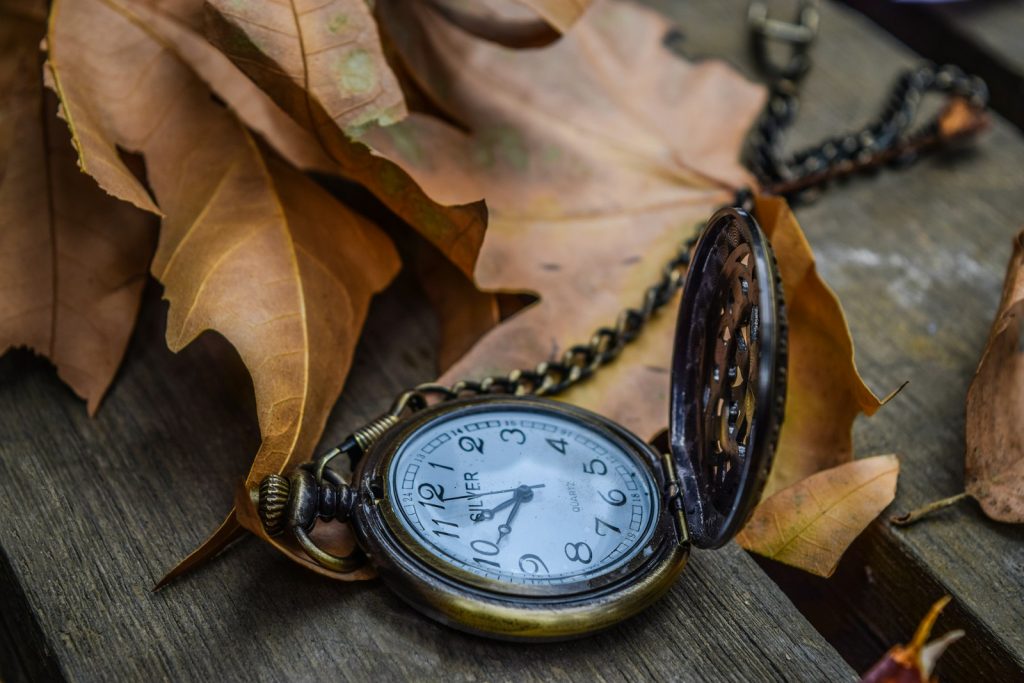
Summer time ends this weekend across the UK and the European Union. At 2am on Sunday, October 25, 2026, clocks go back one hour to 1am, giving most people an extra hour in bed and bringing lighter mornings but darker evenings.
Who changes, and when
- UK and Ireland: clocks go back at 2am local time on October 25, as British Summer Time ends and Greenwich Mean Time returns.
- European Union: clocks change at the same moment, 01:00 UTC on October 25, across all member states.
- United States and Canada: most areas change a week later, at 2am on Sunday, November 1.
- Bangladesh, India and most of Asia: no change, as these countries do not use daylight saving time. The time difference with London and European cities will grow by an hour until spring.
What to expect
After the change, sunsets arrive noticeably earlier. On October 25, the sun sets at about 4.45pm in London and Glasgow, 4.48pm in Birmingham and just before 5pm in Cardiff and Belfast. Clocks go forward again on Sunday, March 28, 2027.
Smartphones, computers, smart TVs and most modern cars update automatically. Wall clocks, ovens, microwaves, older car clocks and some heating timers need to be changed by hand.
How to adjust more easily
Gaining an hour is gentler on the body than losing one, but the shift can still unsettle sleep, especially for young children and shift workers. A few simple steps help:
- Shift gradually. Move bedtimes and meal times 15–20 minutes later over a few days before Sunday, particularly for small children.
- Get morning daylight. Natural light soon after waking helps reset your body clock.
- Keep the extra hour for rest rather than a late night, and keep caffeine to the morning.
- Take care on the roads. Darker evening commutes can mean more risk for pedestrians and cyclists; wear something visible.
Will the clocks ever stop changing?
The European Parliament voted in 2019 to end seasonal clock changes, but member states have never agreed how to implement it, so the twice-yearly switch continues. In the UK there are no plans to scrap it, and opinion remains split: a 2024 YouGov survey found 46% in favour of keeping the changes and 42% wanting them abolished. Around 70 countries use daylight saving time in some form.