
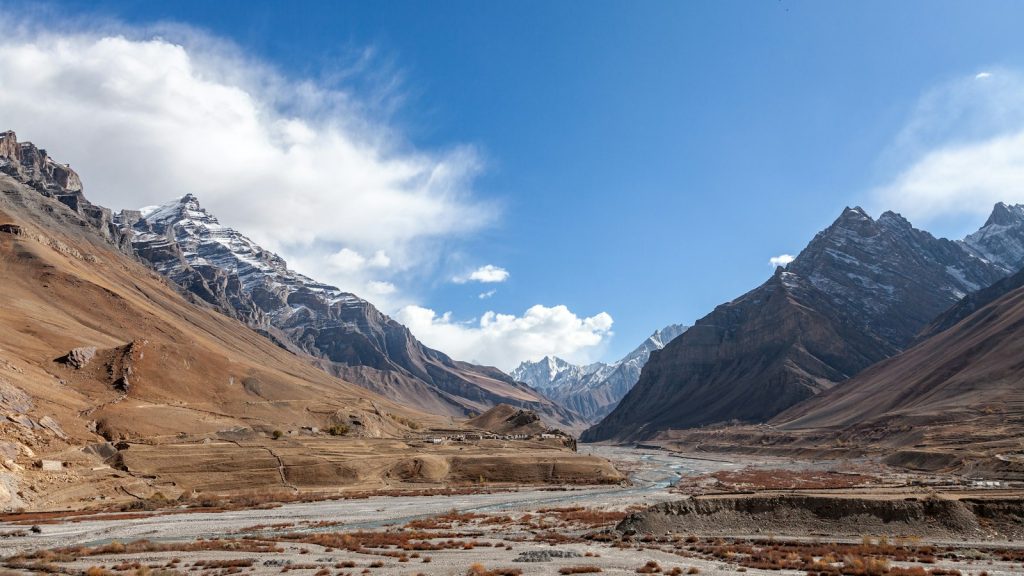
Rescue teams in Nepal and Tibet were searching flattened villages and buried roads on Thursday after a glacier collapse high in the Himalayas sent a wall of water, ice and rock down the Trishuli river valley. More than 390 people have been confirmed dead and more than 1,500 are missing, according to figures compiled by Al Jazeera from Nepali and Chinese authorities.
What happened
At about 8:40 a.m. local time on Wednesday, August 26, part of a glacier at roughly 5,200 metres in the Lhende Khola valley in Tibet broke away. Its lower section fell around 1,200 metres onto the valley floor, picking up rock and sediment as it went. The resulting ice-rock avalanche briefly dammed the Lhende River about 20 kilometres north-east of the Nepal–China border crossing. When that natural dam gave way, it released a powerful flood downstream.
Officials were caught off guard because it was not raining. Early reports blamed a magnitude 4.4 earthquake, but the US Geological Survey later said the seismic signal had come from the landslide itself, registering as a magnitude 5.2 event.
The human toll
In Nepal, at least 389 people have been killed and hundreds are missing, many of them foreign visitors. The Department of Tourism said 668 tourists from 34 countries had been out of contact since Wednesday morning. In Tibet’s Gyirong County, at least three people have died and state broadcaster CCTV reported 558 people missing, including 260 foreign nationals. At least 65 injured people are being treated in local hospitals and in Kathmandu.
In Nepal’s Rasuwa district, settlements including Timure and Syapru Besi were hit hardest. The Trishuli reportedly rose by up to nine metres in 30 minutes, and flooding reached the Nuwakot and Dhading districts downstream. At least 19 bridges and about 40 kilometres of road were washed away. The army rescued about 350 workers and residents trapped in a tunnel at the Upper Trishuli hydropower project.
Rescue and aid
More than 5,000 Nepali soldiers and police are using helicopters, drones and search dogs. On the Chinese side, rescue teams have been slowed by deep sediment. Nepal’s disaster authority has warned that a lake forming at the collapse site is rising and could burst, threatening further flooding.
Prime Minister Balendra Shah visited Bidur in Nuwakot district. In China, President Xi Jinping ordered an “all-out” search-and-rescue effort and Premier Li Qiang travelled to Tibet. India, where the Trishuli eventually feeds the Gandak River, evacuated thousands of people in Bihar, Uttar Pradesh and Uttarakhand and sent about 10 tonnes of relief supplies.
International support is arriving: the IFRC released 1 million Swiss francs, the UN allocated $2 million from its Central Emergency Response Fund, Australia announced $3.6 million and the United States pledged $500,000 and a disaster response adviser. The European Union activated its Copernicus satellite mapping service.
Is climate change to blame?
Scientists have not yet determined how much a warming climate contributed to this collapse, and investigations are under way. Satellite data showed unusually warm conditions and reduced snow cover around the glacier beforehand, and researchers are examining whether meltwater weakened it.
The broader trend is clear. Glaciers across the Hindu Kush Himalaya lost ice 65% faster in 2011–2020 than in the previous decade, and Nepal’s glaciers have lost close to a third of their volume in about 30 years. As ice thins and slopes destabilise, experts warn that sudden collapses and glacial floods are becoming a growing hazard for the millions of people who live and travel downstream.