
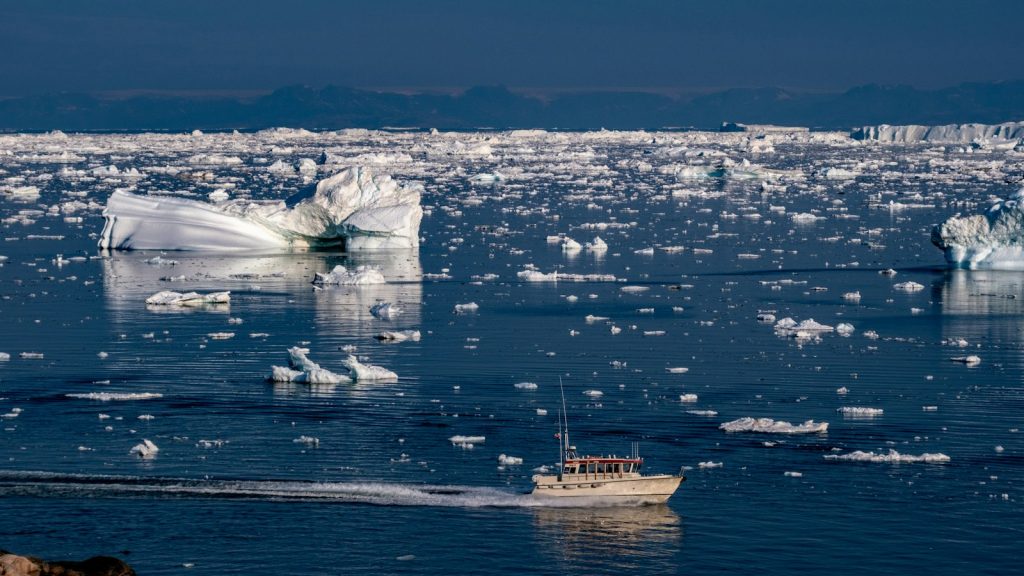
Sea ice in the Arctic Ocean shrank to its smallest extent of the year on September 12, according to NASA and the National Snow and Ice Data Center (NSIDC) at the University of Colorado Boulder. At about 4.6 million square kilometres (1.78 million square miles), the 2026 minimum ties with 2008, 2010 and 2025 as the 10th-lowest in the satellite record, which began in late 1978.
A low plateau, not a recovery
The figure is not a record, but it extends a striking pattern: the past 20 years, from 2007 through 2026, have produced the 20 lowest annual Arctic minimums ever measured by satellite.
“We’ve plateaued, but we’re still low relative to the earlier part of the record,” said Walt Meier, a senior research scientist at NSIDC.
September extents have been relatively stable in recent years after the steep losses of the 2000s and early 2010s. Scientists caution that this does not signal a recovery: the ice that remains is generally younger and thinner than in past decades, which makes it more vulnerable to a warm summer or stormy conditions.
Why the melt has slowed
Weather plays a large role in how much ice melts from one summer to the next. Linette Boisvert, a sea ice scientist at NASA’s Goddard Space Flight Center, said increased cloud cover over the Arctic in the past decade has limited how much sunlight reaches the ice, slowing the melt that would otherwise accelerate as dark open water absorbs more heat.
An unusual drop in the Antarctic
At the other end of the planet, Antarctic sea ice is approaching its annual maximum, which normally occurs in late September or early October. NASA and NSIDC will announce the 2026 peak once they confirm seasonal growth has ended.
In August, the Antarctic ice pack lost roughly 300,000 square kilometres in just six days before growth resumed. Meier attributed the loss to weather that pushed and compacted the thin, mobile ice at the outer edge. “But the magnitude of it certainly is unusual,” he said. Antarctic maximums have generally been lower in recent years, although scientists remain cautious about calling it a long-term trend because Antarctic ice varies more from year to year.
Why sea ice matters
Sea ice reflects most of the sunlight that hits it, while open ocean absorbs it. Less ice therefore means more heat absorbed, which can amplify warming in the Arctic — a region already warming several times faster than the global average. Changes in sea ice also affect weather patterns, ecosystems from plankton to polar bears, Indigenous communities and the growing traffic of ships through northern waters.