
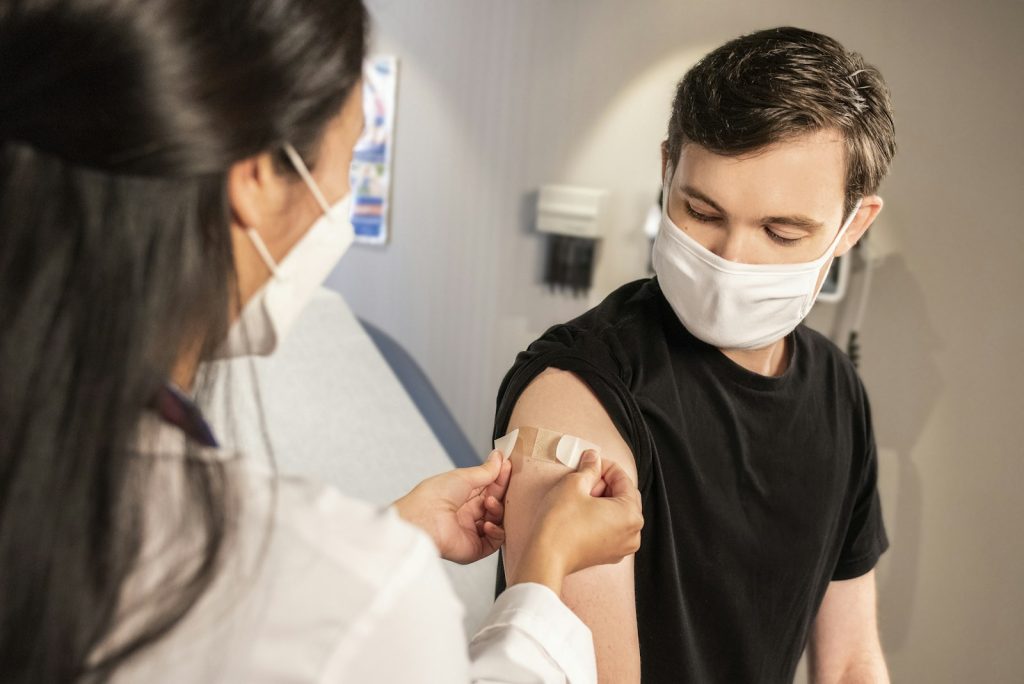
Flu season in the Northern Hemisphere is getting under way, and this year’s vaccines look different from last year’s. Every strain in the shot has been updated, one of them specifically to tackle the fast-spreading H3N2 “subclade K” virus, and for the first time Americans over 50 will be able to choose an mRNA flu vaccine.
Doctors are also watching Asia. Japan’s health ministry declared the start of its flu season on August 28, its second-earliest start since records under the current law began in 1999.
What changed in this year’s vaccine
The US Centers for Disease Control and Prevention says all three components of the 2026–27 vaccines are new:
- H1N1: an A/Missouri/11/2025-like virus.
- H3N2: an A/Darwin-like virus chosen to protect against subclade K, which “spread widely during the 2025-2026 season”.
- Influenza B: a B/Victoria-lineage virus. As in recent seasons, every US flu vaccine is trivalent, protecting against three strains.
Manufacturers expect to supply up to 135 million doses to the US market. About 99% contain no thimerosal preservative, and 27% are made without eggs, using cell-based or recombinant methods.
What is subclade K?
Subclade K is a branch of the H3N2 flu virus that emerged in mid-2025 and quickly became dominant in many countries, contributing to early and busy flu seasons last winter. Because H3N2 tends to hit older adults hardest, health experts have been watching it closely. Experts also look at the Southern Hemisphere’s winter, in places such as Australia, for clues to what the north can expect.
The first mRNA flu shot
On August 5, the US Food and Drug Administration approved Moderna’s mFLUSIVA (mRNA-1010), the first flu vaccine in the US to use mRNA technology. It is fully approved for adults aged 50 to 64 and has accelerated approval for those 65 and older, pending a follow-up study.
In a phase 3 trial of 40,805 adults aged 50 and over, people given mFLUSIVA had 26.6% fewer flu cases than those given a standard-dose vaccine. It caused more short-lived side effects, such as a sore arm, tiredness, headache and muscle aches, which usually pass within a day. Moderna expects it to reach selected US retailers in the coming weeks.
Japan’s early start
Japan counts the flu season as started when the weekly average reaches one patient per designated clinic. In the week to late August it reached 1.11, with the highest rate in Okinawa at 4.43. Only 2009, the year of the swine flu pandemic, saw an earlier start, leaving aside 2023, when flu circulated all year. An early start does not always mean a severe season, but it is a reminder not to leave vaccination too late.
When and how to get vaccinated
- Who: the CDC recommends a flu vaccine every year for everyone aged six months and older, unless they have a medical reason not to.
- Over 65s: high-dose, adjuvanted or recombinant vaccines are preferred, as they produce a stronger immune response in older adults. The new mRNA vaccine is another option for people over 50.
- When: protection takes about two weeks to build, and US health authorities generally advise getting vaccinated by the end of October. Dr Keith Roach of NewYork-Presbyterian tells his patients to aim for the period “between Halloween and Thanksgiving”, noting that protection lasts about six months and that New York’s flu season can run into April or May.
- Every year: immunity fades and the virus changes, so last year’s shot will not give full protection this winter.
If you develop flu symptoms such as sudden fever, cough and body aches, especially if you are older, pregnant or have a long-term health condition, contact a doctor early. Antiviral medicines work best when started within two days of symptoms appearing.