
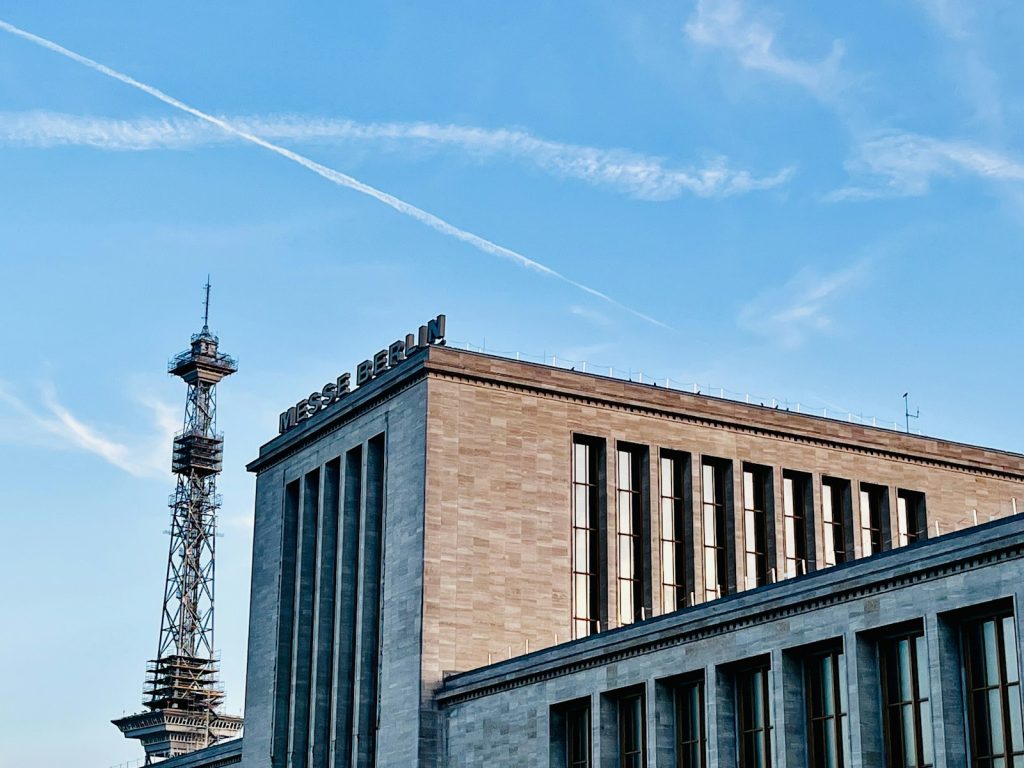
Europe’s biggest consumer technology show closed its doors on September 8 with its largest exhibitor list yet. IFA 2026 drew about 240,000 visitors from 155 countries to the Messe Berlin grounds over five days, around 20,000 more than in 2025, and more than 2,000 companies took stands, a new record for the show.
If one theme ran through every hall, it was artificial intelligence, followed closely by robots. Both were present in almost every part of the fair, from kitchen appliances and cleaning gadgets to entertainment and computing.
IFA 2026 in numbers
- Dates: September 4–8, with media days on September 2–3.
- Visitors: about 240,000, up from roughly 220,000 a year earlier.
- Exhibitors: more than 2,000, including about 300 start-ups and innovators from 24 countries in the IFA Next area.
- Media and creators: 47 press conferences and more than 5,200 accredited journalists, bloggers and creators. The Creator Hub hosted over 1,500 influencers and streamers, 25% more than last year.
- Stages: more than 150 sessions with over 350 speakers.
AI everywhere, robots on stage
Germany’s digital minister, Karsten Wildberger, opened the show with a tour that took in AMD, Bosch, Miele, Liebherr, Xiaomi and LG, among others. He said the fair showed how AI is “making its way into every technology product we use in our daily lives”, and singled out robotics as “a particularly important trend”.
That was easy to see on the show floor. Robotics companies Unitree and Agibot staged live robot demonstrations, while Dreame and the appliance maker Haier showed new products. AMD’s Jack Huynh gave the opening keynote on the show’s Innovation Stage.
China’s growing footprint
The most striking number from Berlin was not about gadgets but about geography. About 900 of the more than 2,000 exhibitors came from China, taking up around 38% of the exhibition space, according to IFA chief executive Leif Lindner. He said no other country moves as quickly from an idea to a finished product. Xiaomi, one of China’s biggest electronics brands, made its IFA debut this year.
Samsung, by contrast, did not have a traditional stand. It sponsored the Creator Hub and ran its business meetings at a separate venue in the city.
Creators and trade buyers
IFA has been reshaping itself to attract a younger audience. The content-creation area grew by 70% and filled two halls for the first time, and new formats aimed at families, beauty tech and podcasts ran alongside the traditional product halls. On the business side, the Reseller Park drew 15,000 trade visitors and more than 200 exhibitors, and a retail leaders’ summit brought together over 100 senior executives from international retail.
What it means for buyers
For shoppers, IFA is an early look at the products that will fill shelves for the holiday season and into 2027. Expect more appliances with app control and AI features, more home robots, and a wider choice of Chinese brands in European shops. Whether AI features are worth paying extra for is a question buyers will still need to answer product by product.
The next IFA is scheduled for September 3–7, 2027, in Berlin.