
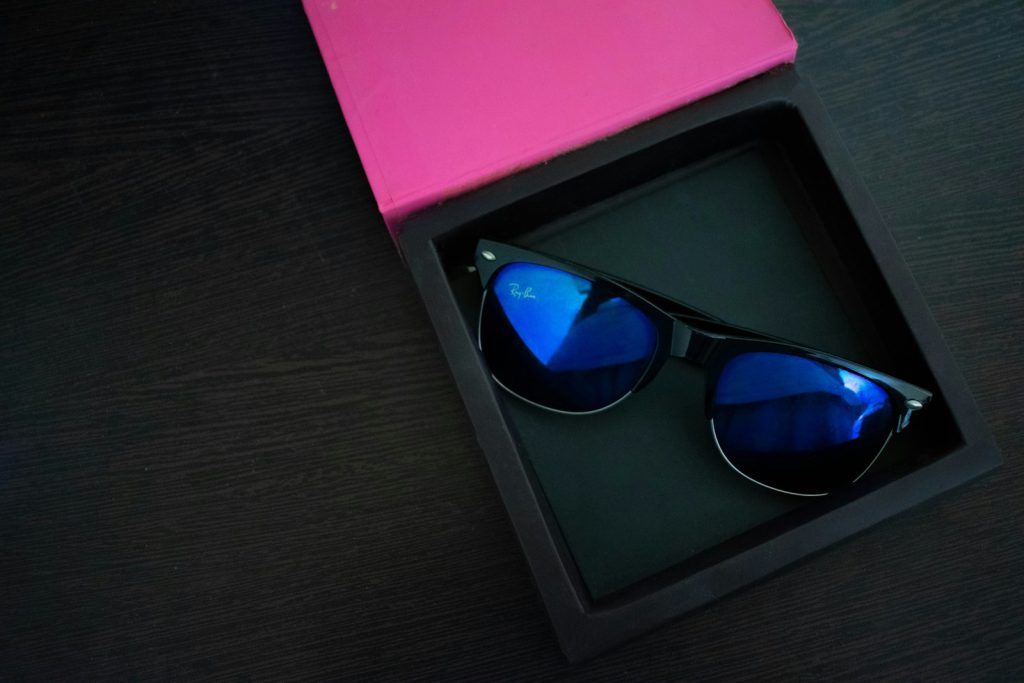
Meta used its annual Connect conference on Wednesday, September 23, to double down on smart glasses. Mark Zuckerberg’s keynote at the company’s Menlo Park campus introduced a third generation of Ray-Ban Meta glasses, a camera-free audio model and a new virtual-reality headset, along with updates to Meta’s AI assistant.
Ray-Ban Meta Gen 3
- Price: from $449, on sale from the day of the keynote.
- Battery: up to nine hours, one hour more than the previous generation.
- Design: slightly thinner frames, more adjustable arms and a new customisable action button that mainly launches Meta AI.
- Styles: 27 colour and lens combinations, new Aviator and cat-eye Zena frames, and a larger Wayfarer size.
- Camera and audio: photos in both portrait and landscape orientation, a “dynamic photos” burst mode and a six-microphone array to reduce background noise. A later update will add spatial audio for video.
Hearing help
Meta also announced a hearing-enhancement feature for people with mild to moderate hearing loss, coming first to Ray-Ban Meta glasses. It will cost a one-time $149.99 or be included in the Meta One subscription. A launch date has not been given.
Glasses without a camera, and a new headset
Meta introduced audio-only glasses with no camera, aimed at people who want music, calls and the AI assistant without recording capability, a response to privacy concerns that have followed camera glasses. It also showed a new VR headset with hands-free controls and a small Muse-branded accessory; full details and prices for those products are due later.
The privacy question
The new Ray-Bans do not change Meta’s privacy controls, which were updated over the summer. The recording light and other safeguards remain, but critics continue to argue that discreet cameras in everyday glasses make it hard for people nearby to know when they are being filmed.
Why it matters
Smart glasses have become one of Meta’s fastest-growing products, and the company sees them as the main way people will use AI assistants away from their phones. Competition is growing, with Google and Samsung developing Android-based glasses and Apple reported to be working on its own. Lower prices, longer battery life and more styles are Meta’s attempt to keep its lead as the category moves from early adopters to the mainstream.