
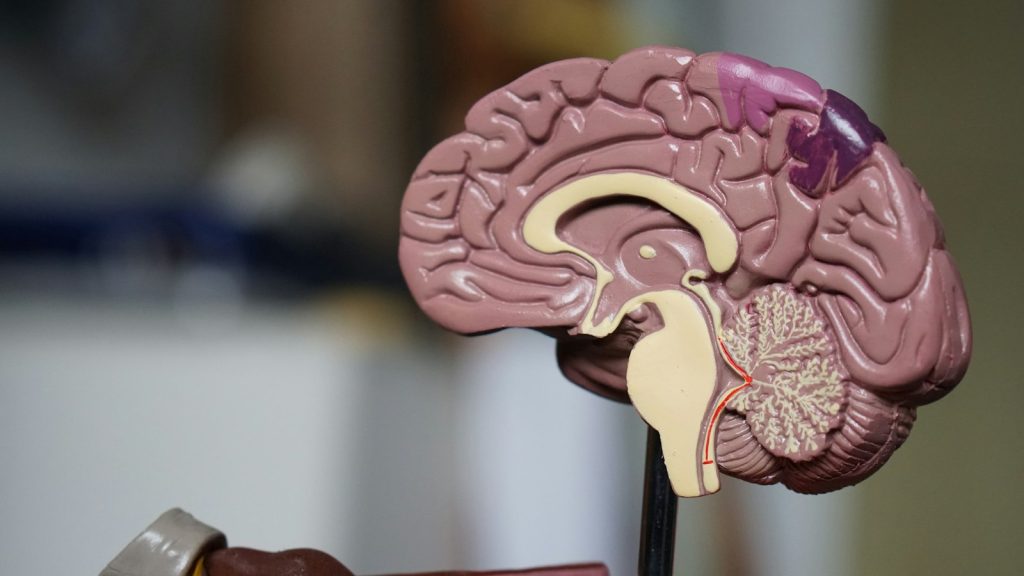
Three scientists whose work allows researchers to switch individual brain cells on and off with flashes of light have won the 2026 Nobel Prize in Physiology or Medicine. The award was announced at the Karolinska Institute in Stockholm on Monday, October 5.
The laureates
- Karl Deisseroth, 54, of Stanford University in California
- Peter Hegemann, 71, of Humboldt University in Berlin
- Georg Nagel, 73, of the University of Würzburg in Germany
They share the prize of 12 million Swedish kronor (about $1.2 million). Thomas Perlmann, secretary of the Nobel Committee, said he had reached all three laureates by telephone on Monday.
What they discovered
The prize recognises research on light-gated ion channels and the technique known as optogenetics. Hegemann and Nagel studied light-sensitive proteins in single-celled algae, which use them to swim towards light. These proteins, called channelrhodopsins, open a channel in the cell membrane when struck by light, letting charged particles flow in.
Deisseroth showed that the genes for such proteins could be inserted into specific nerve cells in the brains of living animals. Researchers can then activate or silence those exact neurons with pulses of light delivered through thin optical fibres — with a precision of milliseconds — and watch what happens to behaviour.
The method “is now being used in laboratories around the world to reveal the brain’s mysteries,” the Nobel Committee said.
Why it matters for health
Before optogenetics, neuroscientists could record brain activity but struggled to prove which cells caused which effects. The ability to switch defined circuits on and off has transformed research into:
- Psychiatric conditions such as depression, anxiety and addiction, by identifying the circuits involved in mood and reward.
- Movement disorders such as Parkinson’s disease, helping refine treatments like deep brain stimulation.
- Vision loss, where light-sensitive proteins are being explored to restore some sight in people with degenerative eye disease.
- Sleep, memory and pain, by mapping how specific cell types shape each.
Most of these applications remain at the research or early clinical stage. But the tools have become standard equipment in neuroscience laboratories worldwide, and they have accelerated the search for more targeted treatments.
Nobel week
The medicine prize opens this year’s Nobel announcements. Physics follows on Tuesday, chemistry on Wednesday, literature on Thursday and the Peace Prize on Friday, with the economics prize announced on October 12.