
Seven months into the war that began with US and Israeli strikes on Iran on February 28, the two sides are talking again — indirectly, through Qatari mediators, on the sidelines of the UN General Assembly in New York. At the centre of the talks is an Iranian offer to reopen the Strait of Hormuz within a week. So far, Washington has not accepted it.
What Iran is offering
Foreign Minister Abbas Araghchi announced the plan in New York last week. The timetable, he said, could start on the day the US accepts, and “the Strait of Hormuz would be open on the end of the seventh day.”
According to Al Jazeera’s reporting, the proposed sequence is:
- Fighting stops on all fronts, including Lebanon.
- The US lifts its naval blockade and oil sanctions and releases about $12 billion in frozen Iranian assets.
- The strait reopens after seven days, with Oman playing a central role in managing it.
- Only then would wider negotiations, including on Iran’s nuclear programme, begin.
Araghchi said the plan resembles a memorandum of understanding signed by both sides in Islamabad on June 17, which called for a halt to military operations, a 60-day negotiating window, US waivers for Iranian oil exports and the restoration of shipping. That deal unravelled the following month in a dispute over shipping routes.
The US position
President Donald Trump has called the Iranian plan unacceptable. The administration wants a single agreement that resolves all outstanding issues — above all Iran’s nuclear programme — rather than a step-by-step approach, and US officials have said Trump will not sign a final peace deal until the nuclear question is addressed. He would consider sanctions relief and releasing funds in return for nuclear progress.
When US media reported that he might relax sanctions and unfreeze assets, Trump called the reports a “hoax” on Truth Social. Speaking at the UN last week, he accused Tehran of waiting for the result of the November 3 midterm elections and threatened to “annihilate the Islamic Republic” if no agreement is reached. “The only thing that does is that Iran will never have a nuclear weapon,” he said, when asked whether the election influenced his decisions.
US officials nonetheless described the indirect talks as “positive and constructive,” saying Tehran had been “flexible” on nuclear issues. Araghchi met US envoy Steve Witkoff and Jared Kushner in Qatar-mediated talks last week; Secretary of State Marco Rubio said they did not amount to a major breakthrough.
Iran: “no change” in position
Qatari mediators met Araghchi again in New York on Monday, September 28, before he left the city on Tuesday. He said he had not received a formal US reply. “I state firmly that there has been no change in Iran’s position,” he said, adding: “Right now, it is only about the Strait of Hormuz.” He also said Iran was prepared for renewed war while keeping diplomacy open.
Why it matters beyond the region
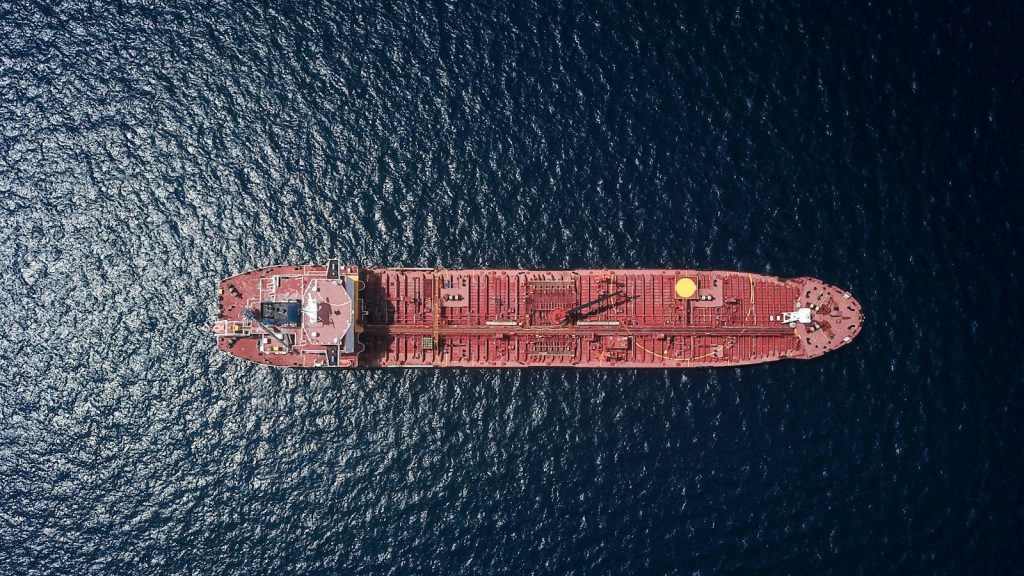
In peacetime, about a fifth of the world’s oil and gas passes through the narrow strait between Iran and Oman. Its closure has pushed crude above $100 a barrel, raised fuel and airfare costs worldwide and complicated central banks’ fight against inflation. Both sides now enforce blockades of the waterway.
Analysts see little prospect of a quick breakthrough. Urban Coningham of the Royal United Services Institute described Hormuz as a clear Iranian red line, while Burcu Ozcelik said Washington “appears to believe it can wait this out.” Qatar is now carrying the Iranian proposal back to US officials, with any formal response expected to come through Doha.
Sources
- Al Jazeera — What’s in Iran’s seven-day plan to reopen the Strait of Hormuz?
- Al Jazeera — US-Iran talks in New York: What’s the latest?
- Euronews — Iran proposes plan to US to reopen Hormuz in seven days and end the war
- NPR via KUNC — Trump calls Iranian plan to reopen Strait of Hormuz not ‘acceptable’